
Highland coffee and lowland cacao
Chiapas grows coffee on shaded mountainsides and cacao in its warm lowlands, and in San Cristóbal you can taste both while learning how they reach the cup.
- From the zócalo
- Tasting in town, farms far off
- Altitude
- Highlands
- Getting there
- On foot around town
- Bring
- Curiosity, small cash, a reusable cup
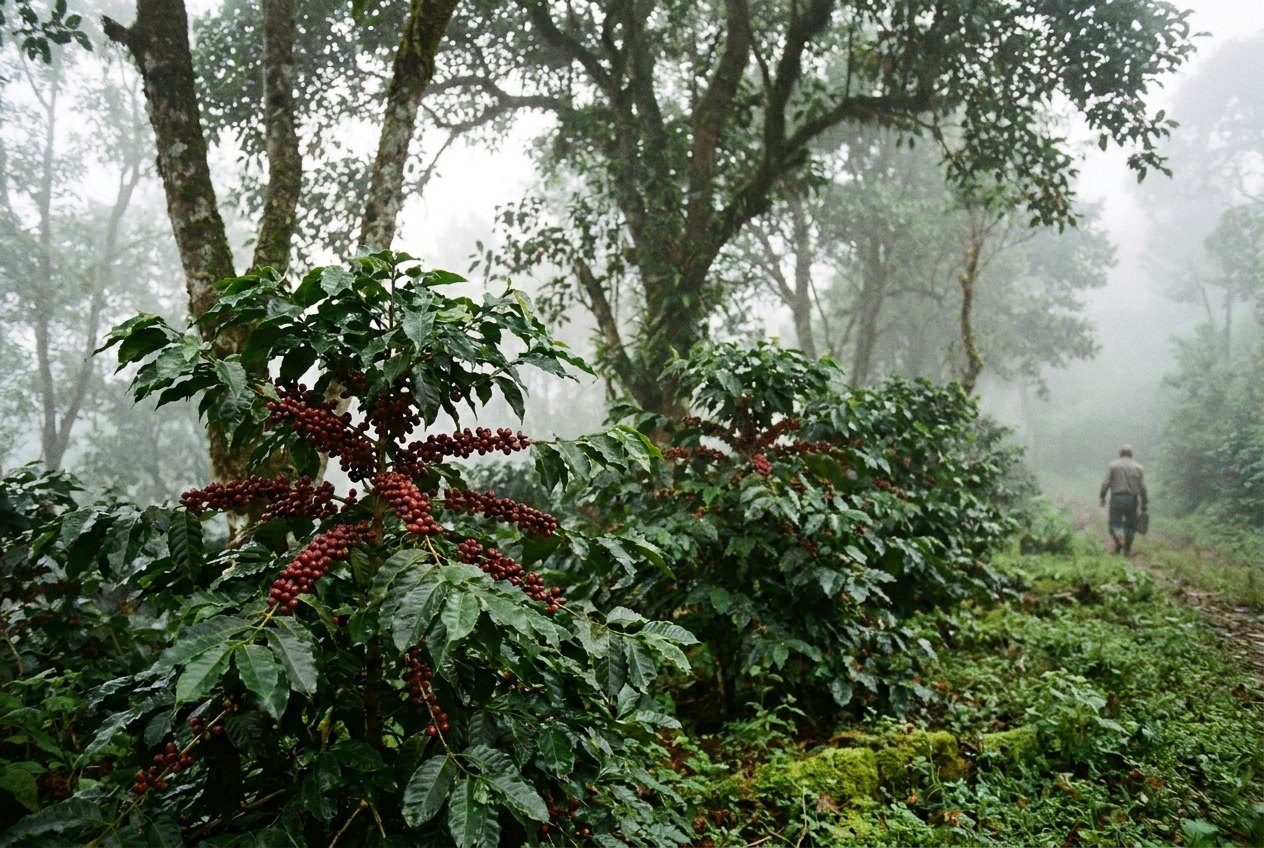
Chiapas is coffee country. The state is one of the largest coffee producers in Mexico, and much of its crop is grown by small farmers on steep, shaded slopes, many of them in Indigenous communities. Cacao, the bean behind chocolate, has an even older history here: the lowlands of southern Mexico and Central America were among the places where cacao was first used, long before the Spanish arrived.
In San Cristóbal you can drink both in many forms, from strong highland coffee to traditional maize and cacao drinks. Knowing a little about where they come from makes each cup better.
Coffee in the hills
Coffee arrived in Chiapas in the nineteenth century and spread through the mountains along the Pacific slope and into the highlands. Today much of it is grown in the Soconusco region near the coast and in the hills of the centre and north of the state, at altitudes where the climate is mild and rain is plentiful.
Much Chiapas coffee is shade-grown: the coffee shrubs grow under taller trees, which protect them from strong sun, keep the soil moist and provide habitat for birds and insects. This traditional method produces smaller harvests than full-sun plantations but is better for the land and often gives a more complex flavour. A good share of the coffee from the region is also grown organically, often because small farmers never adopted chemical fertilisers in the first place.
The harvest usually runs through the cooler, drier months, roughly from late autumn into early spring. Ripe coffee cherries are red, and they are picked by hand, often several times over the season as different cherries ripen. After picking, the beans are removed from the fruit, fermented, washed and dried before roasting.
Coffee in the cup reflects all of this: the altitude where it grew, the variety of the plant, the care at harvest and the way the beans were processed and roasted. Highland coffees from Chiapas are often described as balanced and mild, with gentle acidity and notes of chocolate or nuts, though each farm and season differs.
Small farmers and cooperatives
Most coffee in Chiapas comes from small family plots rather than large estates. Many farmers belong to cooperatives that help them process, sell and export their coffee, and some of these cooperatives are certified for fair trade or organic production. Prices on world markets rise and fall sharply, and in difficult years coffee families feel the impact directly.
Fair trade in general means paying farmers a minimum price and an extra amount for community projects, along with standards for working conditions and environmental practices. It is not perfect, and it is not the only way to buy fairly, but it has helped many small farmers in Chiapas.
Also in the valley: Backstrap looms and the textiles of the highlands
Cacao and its long past
Cacao trees need warmth, humidity and shade, so in Chiapas they grow in the lowlands, especially in the Soconusco near the Pacific coast and in the north near Tabasco. The trees produce large pods directly on their trunks and branches; inside are the beans surrounded by sweet white pulp.
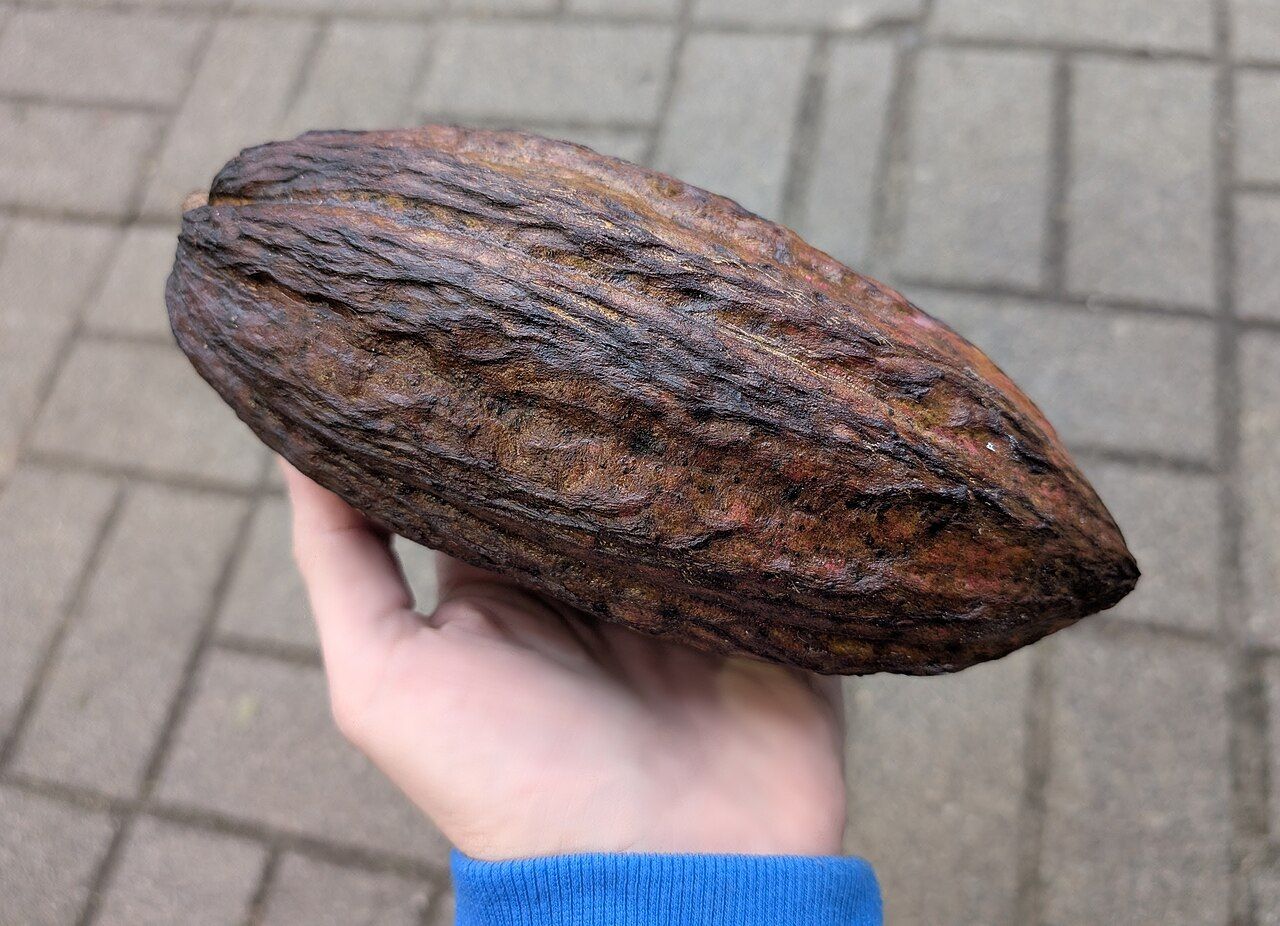 Shot by Siarhei Besarab · licence CC BY-SA (source file)

For the Maya and other peoples of Mesoamerica, cacao was far more than food. It was drunk in ceremonies, offered to gods, shared at weddings and feasts, and used as a form of money. The Soconusco region was famous for its cacao long before the Spanish conquest, and its beans were sent as tribute to distant rulers.
The cacao of those times was drunk as a frothy, bitter drink, often mixed with maize, chillies or flowers, quite unlike the sweet chocolate known today.
Drinks with maize and cacao
In Chiapas, cacao is still part of everyday drinks. Pozol is made from fermented maize dough mixed with water and often with cacao; it is drunk cold, especially in the warm lowlands, and is sold from buckets in markets. Tascalate is a sweet drink of toasted maize, cacao, sugar and achiote, the red seed that gives it its colour, and it is often associated with the region around Chiapa de Corzo and Tuxtla Gutiérrez.
Hot chocolate made with water or milk is common in the highlands, where the cold evenings make it welcome. In the municipal market you will find blocks of chocolate, cacao beans and the ingredients for these drinks.
Tasting in town
San Cristóbal has many places to drink coffee, from small stalls to cafés serving coffee from specific regions and farms. Many offer coffee from Chiapas prepared in different ways, and some sell beans from cooperatives. Asking where the coffee comes from often leads to a good conversation.
For cacao and chocolate, look for drinks made from local cacao and for chocolate bars from small producers in the state. Markets sell cacao beans and traditional chocolate for drinking.
- Ask where coffee and cacao come from.
- Buy beans from producers or cooperatives when possible.
- Try pozol and tascalate at least once.
- Carry a reusable cup to cut down on waste.
Visiting coffee country
The main coffee areas lie hours from San Cristóbal, and visiting a farm usually means a long trip. Some communities and cooperatives welcome visitors, especially during the harvest, but such visits should be arranged in advance and with respect for the people whose land and work you are seeing. Even without visiting a farm, you can see coffee shrubs and cacao trees on the roads down from the highlands, especially on the way to Palenque and the lowlands.
Coffee and cacao link the highlands and lowlands of Chiapas, its past and present, its farmers and its markets. Tasting them in town is a small way to connect with that story, and choosing carefully what you buy helps support the people who keep it going.
Camera work: Semillo García · licence CC BY-SA (source file); Adam Jones · licence CC BY (source file)

