
Tzotzil, Tzeltal and how to be a guest
Around San Cristóbal, many people speak a Maya language first and Spanish second, and a few words, a little patience and some care with your camera go a long way.
- From the zócalo
- All around town and valley
- Altitude
- Highlands
- Getting there
- Everywhere around town and valley
- Bring
- A few words, patience, respect, small cash
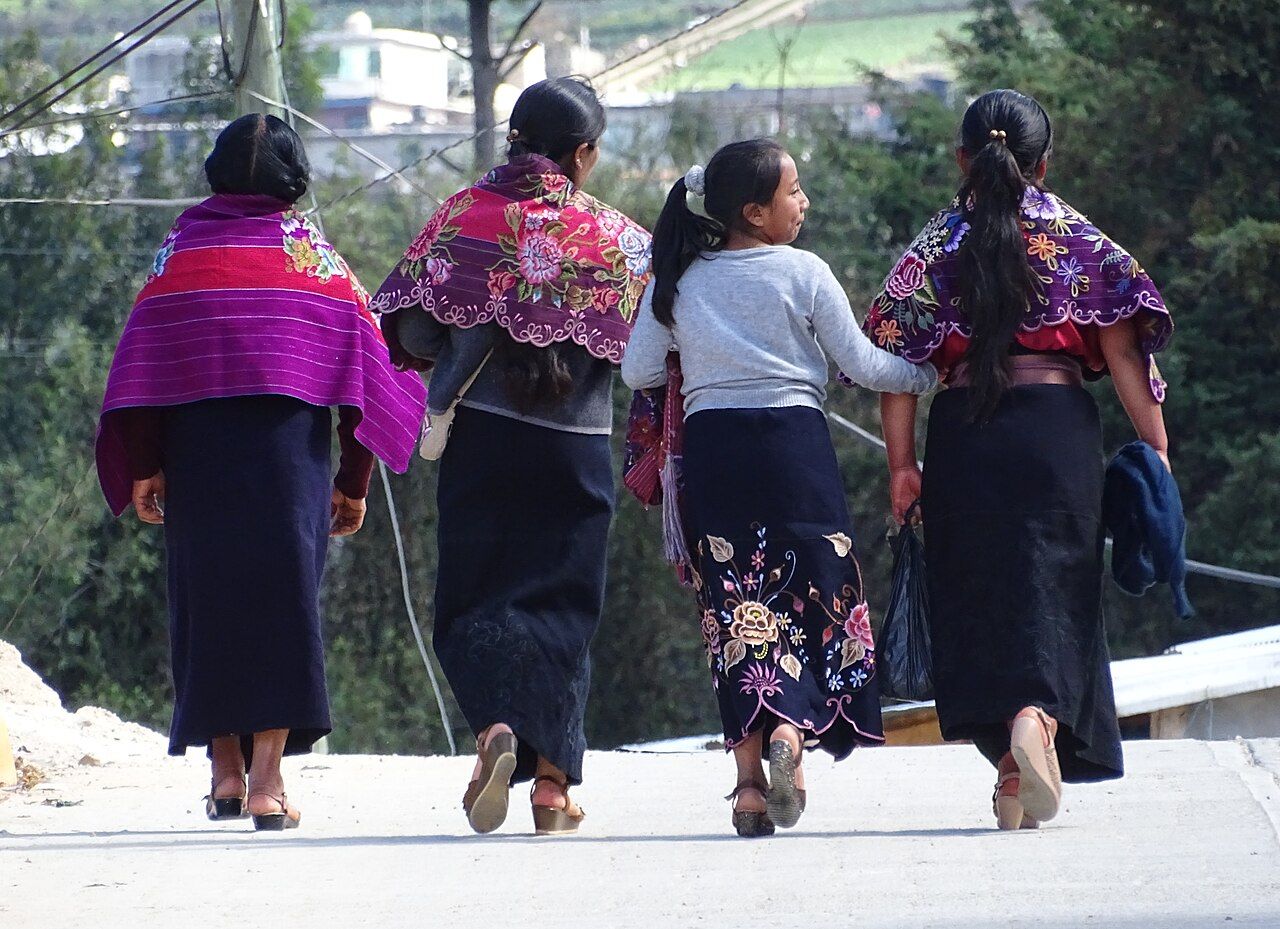 Shot by Adam Jones · licence CC BY (source file)

In the market, on the buses and in the streets of San Cristóbal, you will hear languages that are not Spanish. Most of them are Tzotzil and Tzeltal, two closely related Maya languages spoken by hundreds of thousands of people in the highlands of Chiapas. For many people in the villages around town, a Maya language is the language of home, family and community, and Spanish is learned later, at school or at work.
Understanding a little about these languages and the people who speak them helps you travel with more respect. This guide covers the basics, along with some practical advice on photography, bargaining and visiting communities.
The languages of the highlands
Tzotzil is spoken in many communities around San Cristóbal, including San Juan Chamula and Zinacantán, and in a wide area of the central highlands. Tzeltal is spoken to the east and north, in towns such as Tenejapa, Oxchuc and Ocosingo. The two languages are related and share many words, but speakers of one do not always understand the other easily.
Other Maya languages are spoken in other parts of Chiapas: Ch'ol in the north near Palenque, Tojolabal near Comitán, and several more in smaller areas. Zoque, from a different language family, is spoken in the west. Each language also varies from village to village, and people can often tell where someone is from by the way they speak.
These languages have long histories, and many are written today in the Latin alphabet, with schools, radio programmes and books in Tzotzil and Tzeltal. Still, like many Indigenous languages, they face pressure from Spanish, and keeping them alive is an important goal for many communities.
A few words go a long way
Most people who deal with visitors in San Cristóbal speak Spanish, and you will get by with that. But learning even a word or two of a local language is a sign of respect, and it often brings a smile. In Tzotzil, a common word for thank you is kolaval; spellings and pronunciations vary between communities, so listen to how people around you say it and follow their lead.
In Spanish, a simple "buenos días" or "buenas tardes" when you enter a shop or approach a stall is expected. Use "usted", the formal form of "you", with older people and anyone you do not know. Speak slowly and clearly, and remember that Spanish may be a second language for the person you are talking to, just as it may be for you.
A brief note on 1994
On 1 January 1994, the Zapatista Army of National Liberation, a mostly Indigenous armed movement, briefly occupied San Cristóbal and other towns in Chiapas, demanding rights for Indigenous peoples. The conflict that followed led to years of negotiations and changes in the region, and the movement remains part of political life in Chiapas today.
Also in the valley: Backstrap looms and the textiles of the highlands
Photography with care
Photography is the most common way visitors cause offence in the highlands. Many people do not want to be photographed, for personal, cultural or religious reasons, and some communities have strict rules about cameras. Always ask before taking a photo of a person, and accept a no without argument. If someone asks for a small payment in return for a photo, you can pay or simply put the camera away.
In some places, photography is forbidden outright. Inside the church of San Juan Chamula, photos are strictly prohibited, and breaking that rule can lead to serious trouble. In other villages, photographing ceremonies, churches or certain people may be restricted. Follow signs and the instructions of local authorities, and if in doubt, do not take the picture.
Photographing children deserves extra care. Ask parents first, and avoid taking photos of children who are working or begging.
When a photograph does feel right, a short exchange first changes everything. Buy something, share a few words, show the picture afterwards, and thank the person. Many visitors find that their best memories of the highlands come from these small conversations rather than from the photographs themselves.
Bargaining and buying
Bargaining is common in markets, especially for crafts, but it should be friendly and fair. Start with a polite question about the price, offer a little less if you wish, and accept a reasonable answer. Remember that many sellers come from communities with limited income, and that handmade goods often represent many hours of work. A small difference in price matters much more to them than to you.
Children and women sometimes sell small crafts in the streets. You are under no obligation to buy, but a polite "no, gracias" is better than ignoring them. Buying directly from the makers, at markets or cooperatives, helps ensure that the money reaches the people who did the work.
Visiting communities
Indigenous communities in the highlands govern themselves under their own customs and authorities. When you visit, you are a guest in a place with its own rules. Pay entry fees where asked, follow instructions from local officials, and respect restrictions on photography, behaviour and dress.
Dress modestly, especially in churches. Speak quietly in sacred places, and do not touch altars, statues or offerings. If you are invited into a home, accept food or drink with thanks, even if only a small amount. Ask before entering homes, fields or private areas.
- Learn a greeting in Spanish, and a word in Tzotzil or Tzeltal.
- Ask before photographing anyone, and accept refusals.
- Bargain gently and fairly.
- Follow local rules and pay fees where asked.
Travel in the highlands is richer when you remember that the people you meet are living their own lives in their own languages. Treat them with the same respect you would expect at home, and your visit will be better for everyone.
Camera work: Semillo García · licence CC BY-SA (source file)
