
Santo Domingo and the textile stalls around it
A carved pink-stone facade, a former Dominican convent and rows of handwoven cloth spread across the atrium: the north end of San Cristóbal is where architecture and highland weaving meet.
- From the zócalo
- About ten minutes on foot
- Altitude
- In town
- Getting there
- Walk north from the zócalo
- Bring
- Cash in small notes, a tote bag
 Shot by Linkogecko · licence CC BY-SA (source file)

Walk north from the zócalo for a few blocks and the town opens out into a wide paved atrium. On one side rises the church of Santo Domingo, its facade so densely carved that it looks more like embroidery than masonry. Spread across the open ground in front and around it are dozens of stalls hung with blouses, shawls, belts, bags and blankets. It is one of the most visited corners of San Cristóbal, and with good reason: few places in the highlands put so much skilled handwork in one spot.
This guide covers the church, the former convent beside it and the market outside, with notes on how to shop in a way that is fair to the people who make what you buy.
A Dominican church on the edge of the old town
The Dominicans were among the first religious orders to arrive in Chiapas after the Spanish conquest, and they built their convent here in the sixteenth century, on what was then the northern edge of the town. The church you see today took shape over the following century and later, with the great facade generally dated to the late seventeenth century. Like most of the town's colonial buildings, it has been damaged by earthquakes and repaired several times.
The order's presence mattered beyond architecture. Bartolomé de las Casas, whose name the town now carries, was himself a Dominican, and the friars ran missions across the highlands for generations. That history is complicated, as the history of any colonial church is, but it explains why such an ambitious building stands in a provincial mountain town.
 Shot by ProtoplasmaKid · licence CC BY-SA (source file)

Reading the facade
The west front of Santo Domingo is one of the finest examples of Baroque decoration in Chiapas. Its surface is covered in carved and moulded mortar, now a soft pink and cream, with twisted Solomonic columns, niches for saints, vines, leaves and flowers climbing every available space. Among the motifs, look for the double-headed eagle, an emblem associated with the Habsburg kings who ruled Spain when the church was built.
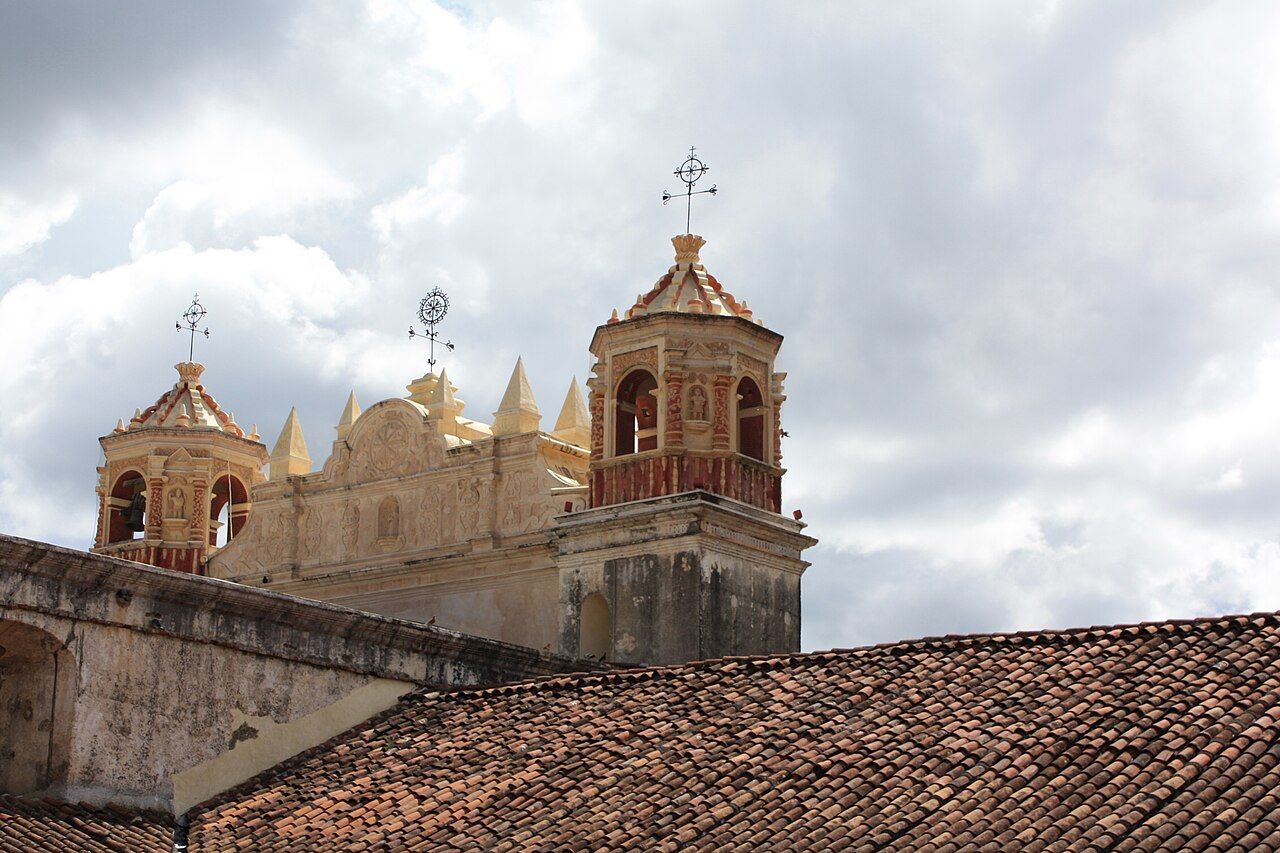
The best way to appreciate the detail is to step back to the far side of the atrium and look up, then walk close and study one section at a time. The light is kindest in the late afternoon, when it falls across the facade from the west and throws the carving into relief. Above the roofline, small towers and finials topped with iron crosses and weather vanes stand against the sky.
Next to Santo Domingo stands a second, smaller church, the Templo de la Caridad, whose plainer front gives a useful contrast. Together they form one of the largest religious complexes in the old town.
It is one of the most visited corners of San Cristóbal, and with good reason: few places in the highlands put so much skilled handwork in one spot.
Inside the churches and the former convent
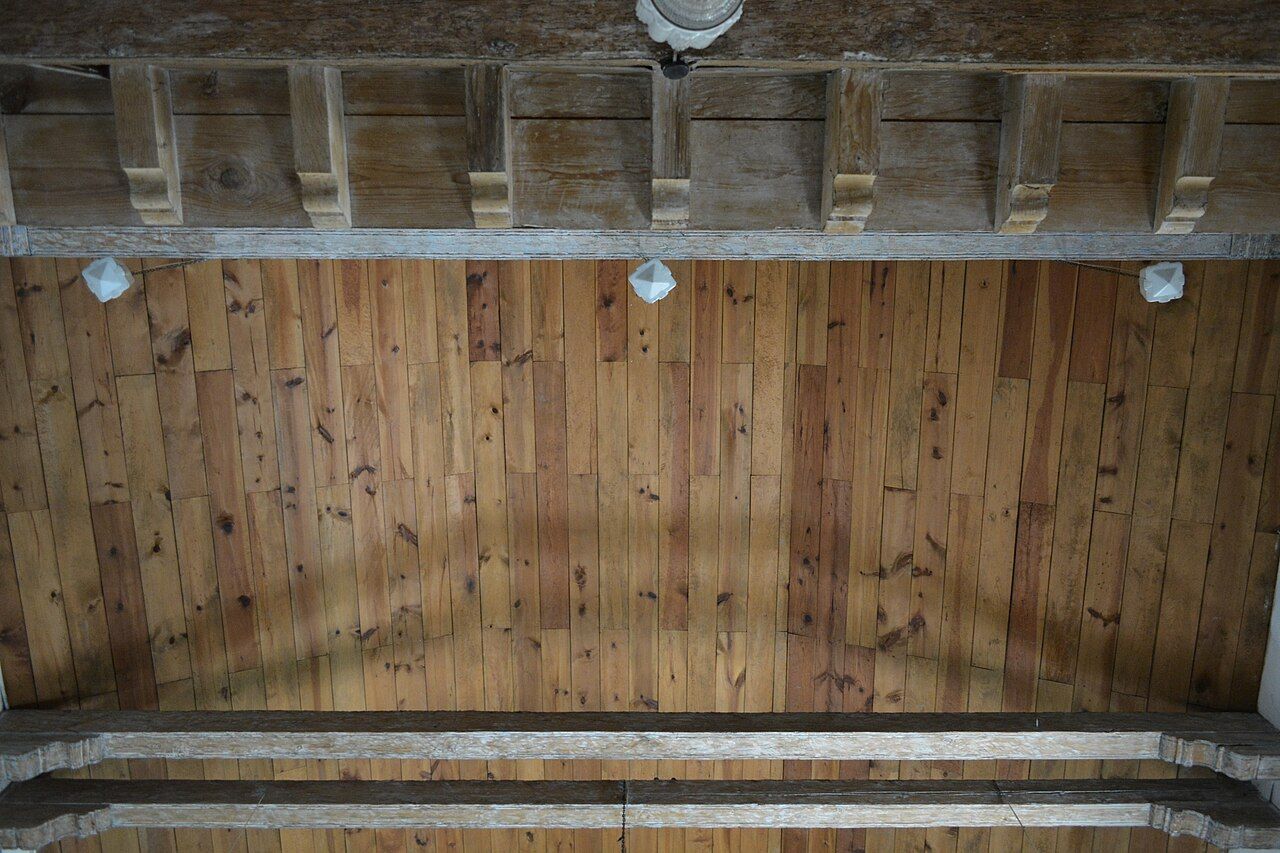
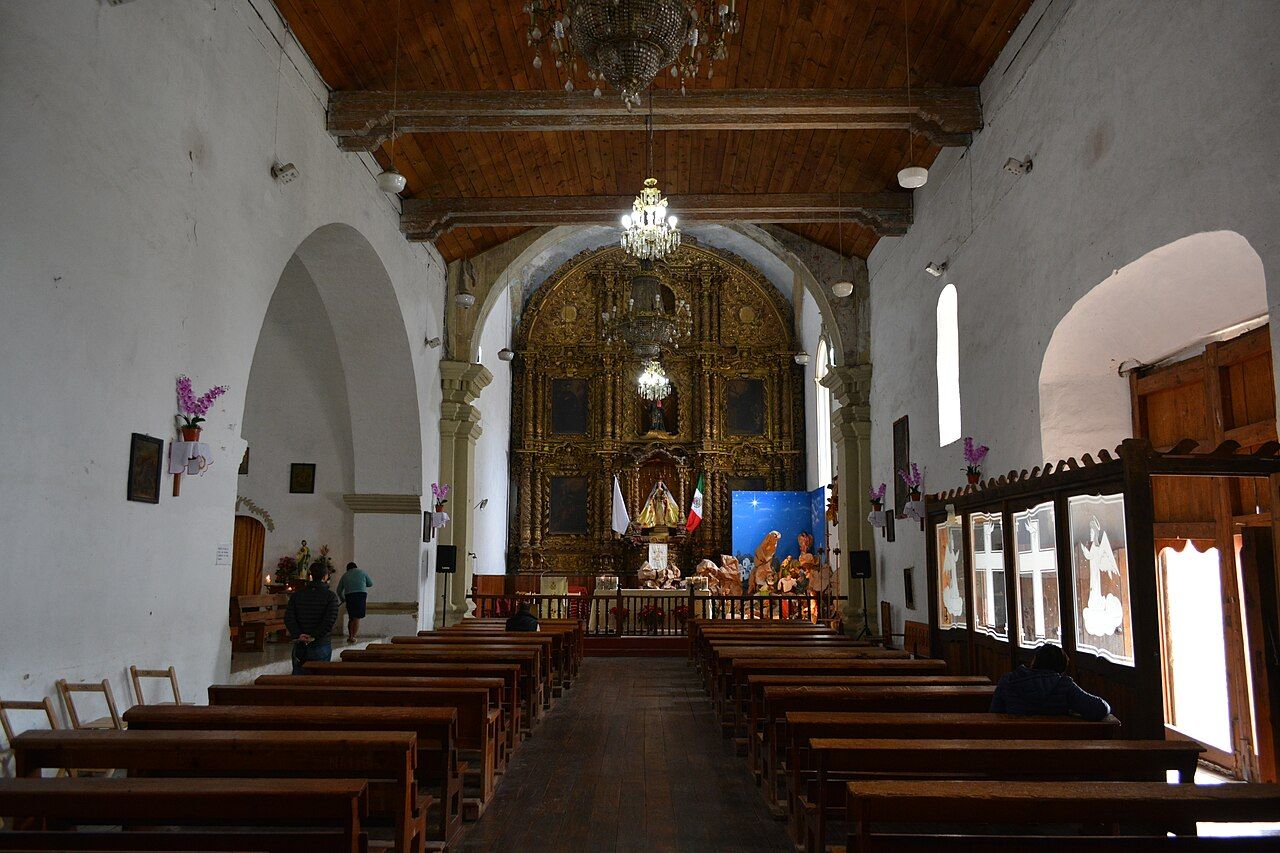
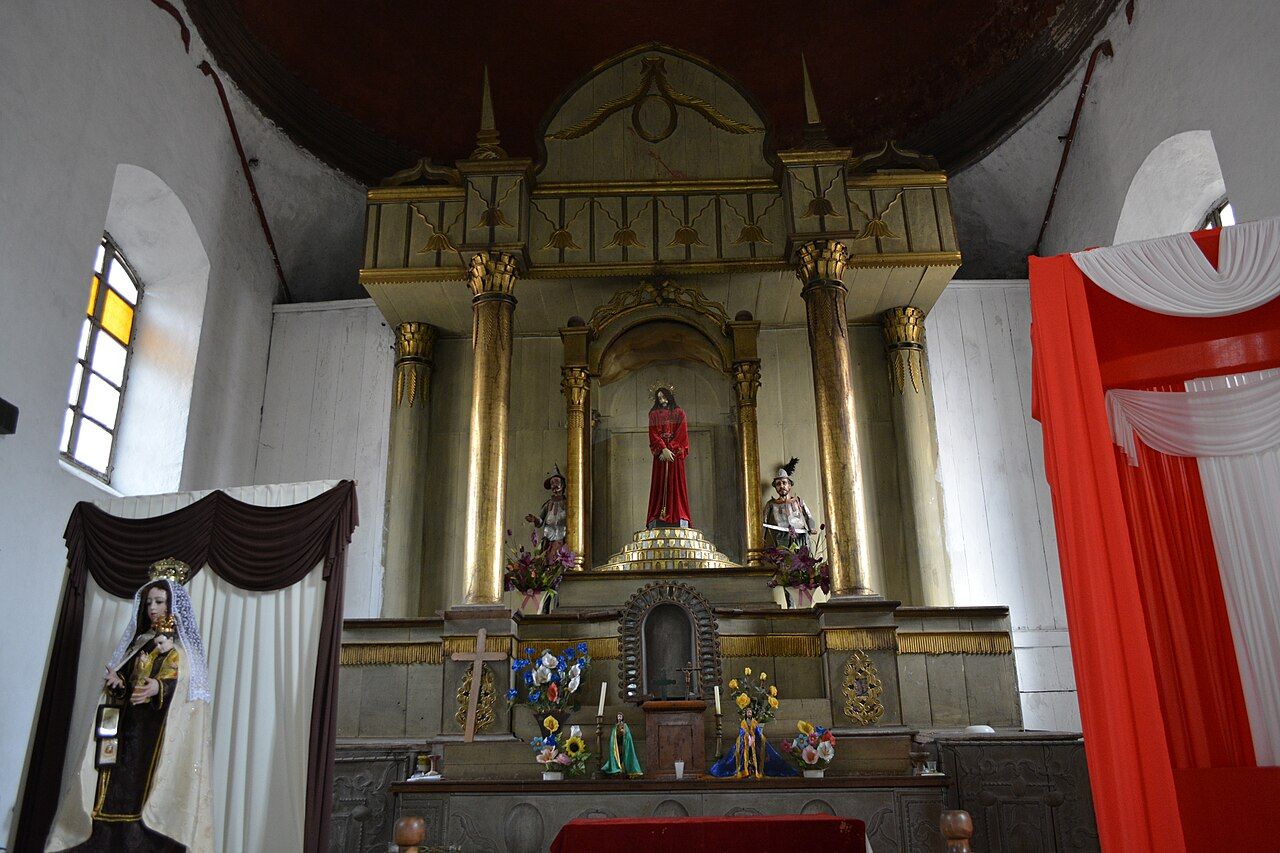
Santo Domingo's interior is known for its gilded altarpieces and carved pulpit, the work of colonial craftsmen who covered wood in gold leaf to catch candlelight. The churches of the complex remain places of worship, so visit quietly, cover your shoulders, and keep to the sides during services. Rules on photography inside vary; look for signs, ask if in doubt, and never use flash.
 Shot by ProtoplasmaKid · licence CC BY-SA (source file)

The former convent beside the church now serves as a cultural centre and museum space dedicated to the history and cultures of the Chiapas highlands. Displays have covered pre-Hispanic history, the colonial period and regional textiles, and the cloisters themselves are worth seeing for their arches and thick walls.
 Shot by ProtoplasmaKid · licence CC BY-SA (source file)

Also in the valley: San Juan Chamula, visited with respect
The open-air textile market
Most days, the atrium around Santo Domingo and the neighbouring church fills with an informal market. Vendors arrive in the morning, spread their goods on tables, rails and blankets, and pack up again in the late afternoon. Many of them are women from Tzotzil and Tzeltal communities in the surrounding highlands, including San Juan Chamula and Zinacantán, and some sell pieces made by themselves or by relatives.
What you will find varies, but common items include woven and embroidered blouses, wool shawls and skirts, brocaded belts, table runners, cushion covers, bags, hats, and small toys such as dolls and woven animals. Some of the cloth is woven by hand on the backstrap loom, a technique explained in the guide to backstrap looms and highland textiles. Other pieces are machine-made or woven on foot looms, and a good proportion of goods in any large market will have been made elsewhere.
Telling handwork from factory work takes some practice. Handwoven cloth tends to have slight irregularities in the edges and pattern; brocade designs are worked into the weave rather than printed on top; and good embroidery looks as tidy on the back as on the front. Asking the seller directly whether a piece was made by hand, and where, is perfectly normal, and many will tell you which village a design comes from.
Buying fairly from makers
Bargaining is part of market culture in Mexico, but the gap between what a visitor can afford and what a highland weaver earns is often enormous. A blouse or a shawl can represent many days or weeks of work. Haggle lightly if you like, but avoid pushing prices down to the last peso. A reasonable approach is to ask the price, look at a few pieces, and offer something close if it seems high, rather than starting at half.
Some practical points help:
- Carry cash in small notes; many vendors cannot change large ones, and card payment is not common at the stalls.
- Look at a piece in daylight before buying; colours can change under the shade of an awning.
- Ask before taking photographs of stalls or sellers, and accept a no.
- Keep valuables close, as you would in any busy place.
If you want to see weaving as part of daily life rather than a shopping trip, a visit to the highland villages gives a different perspective. The guide to Zinacantán, valley of flowers describes how families there weave at home, and the stalls you see at Santo Domingo often carry the same purple and blue embroidery.
Around Santo Domingo
The streets north and east of the church lead to the busy municipal market, a very different place where the highland valley buys its food. The guide to the municipal market at dawn explains how to visit it early. Heading back south, the andador takes you past the cathedral to the zócalo in a few minutes.
The atrium is liveliest from late morning into the afternoon. For a calm look at the facade, come early before the stalls are set up, and come back later for the market. Arrangements around the church change with restoration work and local decisions, so the layout you find may differ from what is described here.
Camera work: Rod Waddington · licence CC BY-SA (source file); BIOLOGO JORGE AYALA · licence CC BY-SA (source file); Anthony G. Reyes · licence CC BY-SA (source file)


